Want to get privacy window film installers? Commercialwindowshield.com has the greatest privacy window film. We provide an excellent selection of movies in distinctive styles for renovated areas, walled offices, and more. For additional information, please visit our website.
Violent Attacks in Schools on the Rise in Late 2021 -Districts Move to Increase Building Security
After a year-long decrease in violent attacks in our country’s schools due to COVID, incidents involving guns spiked in the last quarter of 2021, when students returned to their classrooms.
The deadliest incident occurred on Nov. 30 in Oxford, Mich., when a high school student shot to death four classmates and wounded seven others. In this case, the student’s parents bought him the gun as a present. They were also charged.
In all, there were 34 school shootings in 2021, 24 of which occurred after Aug. 1. In 2020, a year in which most students studied remotely as their schools were closed, there were 10 shootings. In 2018 and 2019, there were 24 violent actions involving guns in each year.
Under the radar are an unspecified number of planned school attacks by students that were uncovered by authorities before they were carried out.

Equally concerning was a nationwide alert in late December after a social media post on Tik Tok suggested there would be shooting and bombing attacks on schools all over the country on Dec. 17.
No attacks materialized but a number of school districts took the threat seriously and increased security in their schools that day.
In response to the increased violence in schools, officials are re-visiting building security. It was after the infamous violent attack by a student at Sandy Hook Elementary School in 2012, which left 26 dead, including 20 students, that school systems across the country began upgrading their building security. Among the measures was installing security window film on all the first-floor and entryway windows in all their school district buildings, making it extremely difficult for unwanted intruders to enter. This decision was especially significant because the attacker at Sandy Hook entered the building by break the glass in the front entrance.
In order to protect their school buildings’ windows and entryways, school administrators turned to experienced security window film installers to secure the glass in their buildings. Since 2012, Commercial Window Shield of Greer, S.C. has become one of the leading installers of shatter resistant window films in school buildings nationwide.
To date, Commercial Window Shield has protected windows and entryways in more than 150 school buildings in nine states. Specifically, the company has completed safety and security film projects at Geneva, Minooka and Lake Zurich school districts in suburban Chicago; Calvert County [Md.] Public Schools; Bath Local Schools, near Lima, Ohio; Hewlett-Woodmere Public Schools, N.Y.; Hartford, Glastonbury and Simsbury school districts in Connecticut; Henry County in Virginia; and in Beaverton, Ore. and Lansdale, Pa.
If you are considering protecting the windows and entryways in your school buildings by installing security window film contact info@commercialwindowshield.com. For more information, visit www.commercialwindowshield.com
Source Url :- https://storifygo.com/violent-attacks-in-schools-on-the-rise-in-late-2021-districts-move-to-increase-building-security/
Hospitals Aim to Improve Building Security Amid Uptick in Violence
The heroic actions of a British taxi driver on November 15 in which he thwarted the efforts of a suicide bomber intending to attack a Liverpool hospital, underscores once again the vulnerability of medical facilities worldwide. The driver locked the bomber inside the taxi in front of the hospital entrance and when the explosive was denoted it destroyed the taxi and killed the terrorist but caused no other injuries or damage to the hospital.
The incident was not the act of a single person as four others were arrested in the plot to bomb the hospital.
Coincidently, the attack came a few days after the conclusion of the annual International Association for Healthcare and Safety Conference in Myrtle Beach, S.C. Many of the participants at the convention are responsible for the security of the hospitals that employ them. Seminar topics addressed many issues related to hospital security, such as:
- Mitigating the Impact of Civil Unrest on Hospital Operations
- Detecting Suspicious Behavior through Kinesics
- Training security as ED psychiatric assistance to both improve care and decrease violence
It’s hard to dispute hospitals are becoming increasingly violent. According to the American Hospital Association and the Joint Commission 280 in-hospital assaults, homicides, and rapes were reported during the 17-year-period spanning 1995 to 2012. The situation has only worsened in the past decade.
COVID-19 has made matters worse. Specifically, the crushing realty for family members not able to see their loved ones infected with the virus and even more so when they die without being able to say good-bye has increased the animosity toward health care workers even more.
As a result, a bill aimed at workplace violence protections for health care workers has passed the House, as the Biden administration has urged lawmakers to advance legislation. The Workplace Violence Prevention for Healthcare and Social Service Workers Act passed the House in April and currently is working its way through the Senate. The bipartisan measure aims to require reporting and prevention policy mandates for health care facilities, where workers have been an increasing target of physical violence.
But one of the most important often overlooked discussion points related to hospital security is securing the building. This topic was addressed, in part, at the IAHSS conference during a seminar titled: Security Design Elements for Security Sensitive Areas.
Part of protecting health care workers is protecting the buildings they work in, mainly hospitals. And one of the first lines of defense in any hospital building is protecting the windows and glass entranceways. The lesson there can be learned from all the violent intrusions we have witnessed in our nation’s schools in recent years. A number of the intruders gained entrance through unprotected glass doors and windows.
The other significant component of window protection is preventing the glass from shattering during a bomb blast – like the aborted Liverpool incident – or a catastrophic weather event such as a tornado or hurricane. Flying glass shards from such incidents can be lethal to hospital patients and employees.
We need to look no further than the impact of Hurricane Michael in 2018 on hospitals and other health care facilities in Florida’s panhandle was enormous. The first Category 5 to strike the U.S. since Andrew in 1992 damaged nine hospitals so severely they were forced to close. Also, five nursing homes and 15 assisted-care facilities also closed. In each case, patients had to be evacuated to other facilities. Damage to the buildings included destroyed roofs, buckled walls and shattered windows.
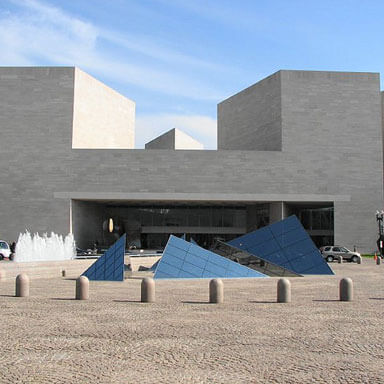
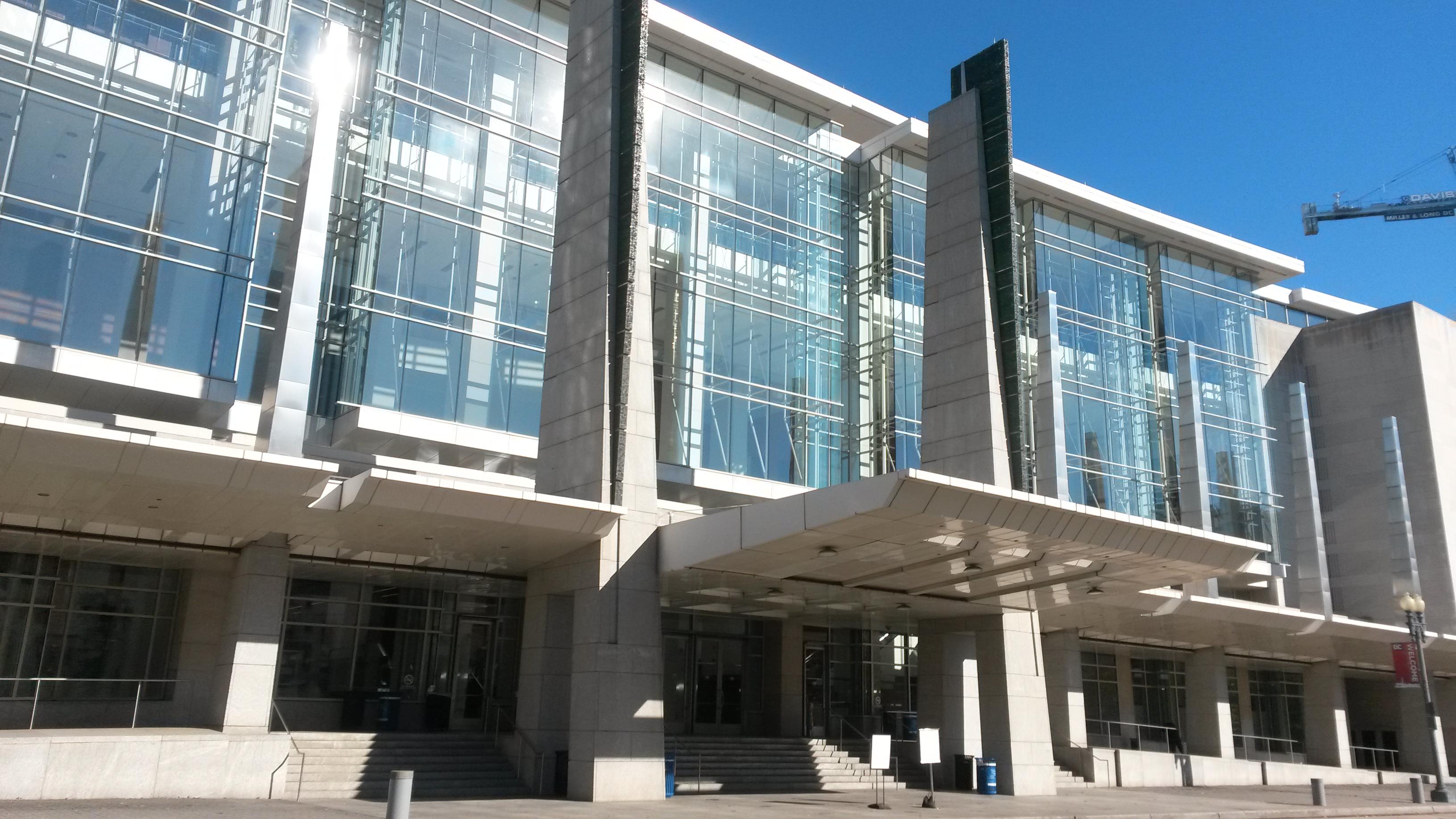
The solution of protecting windows in hospital buildings is pretty simple: The installation of fragment retention window film or polycarbonate security glass system is the best way to keep armed intruders out of your hospital or other health care buildings and to prevent the glass from shattering and turning into lethal weapons. Security window films have been around for years and have been the go-to window protection for many of the country’s high-profile government buildings as well as commercial buildings, convention centers, airports and schools.
It appears that health care systems will be the next industry to seriously consider installing shatter resistant security films on their hospital building windows. In the past in other industries, it often was a reactionary decision following a tragic incident. In the case of protecting hospital buildings and the people inside, the idea is to get ahead of the issue before something happens. This was the focus of the participants at the IAHSS conference which was underscored a few days later in the terrorist bomb blast in Liverpool.
Source Url :- https://www.ssgnews.com/2021/11/26/hospitals-aim-to-improve-building-security-amid-uptick-in-violence/
Lack of Solar Control Window Film Makes for Uncomfortable, Energy Inefficient Buildings
PARIS – Charles de Gaulle Airport is one of the busiest in Europe and often is crowded. Such was the case last week. Although the outside temperatures were cool as the calendar moved toward November, it was cooking inside in the departure gate areas.
The reason for the unexpected heat was simple: The tube-line design of the terminal featured large swaths of glass that wrapped around the building. And piercing the unprotected glass were fierce rays from the unrelenting sun.
How hot and uncomfortable was it in the departure areas? Despite the overflowing crowd of passengers, most of the chairs exposed to the sun remained empty, as you can see in this photo.
It’s surprising – no, shocking – that one of the most recognizable airports in the world has not yet addressed such a basic issue as solar heat gain – especially with the energy conservation movement over 50 years old.
The idea of energy-efficient, green office buildings is so common today, people forget it hasn’t always been this way.
It took an oil embargo in 1973 by the Arab members of the Organization of Petroleum Exporting Countries [OPEC] against the United States, which tripled the cost of oil prices and gas, to trigger a move toward more efficient technologies.
In older office buildings, that meant installing more efficient HVAC systems, adding insulation, improving the lighting, finding and closing up air leaks and addressing the windows issue, which was significant.
We all have sat next to windows in buildings where sun rays entering the space, while seemingly nice on cold winter days, can in fact be brutally warm. Not to mention the glaring issues it causes. The result is a comfort issue for office employees with desks near windows.
The larger problem was the impact the intruding rays of the sun had on a building’s HVAC system. In winter, hot rays from the sun intruding into the building can fool the HVAC sensors, making it seem like summer. As a result, the A/C can go on. Employees near the windows are no doubt happy but the rest of the people in the building are not.
This sun control situation caused energy bills to climb at a time when they needed to decline because of the sharp rise in oil prices and other energy costs.
Yet another issue with solar heat gain was its effect on artwork, furniture, carpet and other furnishings. Over time, the sun’s rays caused the artwork and furnishings to fade, resulting in permanent damage. This was especially true in art museums and libraries.
So, there was a need for a product that would solve all these issues dealing with office building windows, in particular the energy costs.
Solar control window films arrive
Window tinting companies had been around for some time, but their focus was on the auto industry, especially in hot climates. But soon after the oil embargo was lifted window tinting and film companies developed a special film for office building windows helped control the impact of the sun’s rays entering the structure.
The specialty solar control film was developed to counteract or even out the solar heat gain. The scientific aspect of this relates to what’s known as the Solar Heat Gain Coefficient. This measures the solar heat that enters a window and becomes heat. There is a measurement between 0 and 1 that accurately measures the solar heat gain. The lower the number, the less heat is being transferred.
Another factor is U-Value. This measures heat transfer related to outside and inside temperature difference. HVAC engineers and insulation professionals use R-Value, which measures window film’s ability to act as an insulator. The higher the R-Value, the less the heat transference.
The final key component of the analytic process is the Shading Coefficient. This a comparison analysis of an untreated window and window that has solar control film attached. The lower the shading coefficient, the better the shading performance.
So, over the years, the expertise of solar control film manufacturers has increased dramatically. The variety and effectiveness of sun control window films have improved as well.
Solar control film vs shaded windows
From the beginning, the overriding issue between film and windows was cost. There were a number of factors in play:
- Cost of the solar control window film and installation
- Cost of solar control film vs installation of energy efficient windows
- Length of time it took for the solar control window film to pay back the company’s investment via energy savings
- Length of time the solar film lasted before having to be replaced
In older buildings, solar control window film always has been the most cost-effective option. Generally, the payback period via energy savings is around seven years. The warranty on most films is around 15 years and the film can last longer.
New window installation in an old building is cost-prohibitive in most cases, unless a total renovation is in order. Payback on new windows through energy savings is a considerably longer period versus solar control window film.
Another factor is the installation process. Companies who try and cut corners by selecting an inexperienced film window film installation company often end up paying more in the long run. If the film is improperly applied to the office windows it will be not be effective. The industry is filled with stories of companies having to hire a second, more experienced installation company to first remove the improperly installed solar control film and then installing new film.
In new building construction the choice between solar control film and shaded windows is more complicated.
Still, in this day and age, there’s little excuse for building owners not to make their buildings more comfortable – and energy efficient – by installing solar control window films or some other method.
In particular, places where large number of people gather, such as airports and convention centers, have a significant incentive to install energy efficient solar control window films.
Source Url :- https://canvaslock.com/lack-of-solar-control-window-film-makes-for-uncomfortable-energy-inefficient-buildings/
U.S. Airports Utilize Security Window Films to Protect Building Windows
exploring renovations to their arrival hall in 2017, a key component was improving security. Near the top of the list was protecting the windows by installing security window film.
Sea-Tac officials had seen photographs of the aftermath of the 2016 terrorist attack at Brussels Airport, which resulted in 32 deaths and more than 300 injured. Large sections of windows were blown out, sending shards of glass flying into the terminal and adding to the injury count.
Sea-Tac was not alone in exploring security film as one option in protecting their buildings and the safety of airlines passengers and airport employees. Since airports are considered prime targets for terrorists because of their high population density, airport officials all over the U.S. – and the world – have continued exploring security measures on multiple levels. Window security through the installation of security films to keep the glass from shattering is a major to do item on many lists.
Terrorist threats aren’t the only reason airports are looking at security window film installation to protect their glass. Airports in hurricane and tornado belts also are considering glass protection since high windows can shatter windows and turn glass into dangerous projectiles. As volatile weather events appear to be on the rise in the U.S., airports likely will be taking a closer look at the benefits of security window film installation on their terminal windows.
For Sea-Tac officials, the decision was easy. They decided to install 8-mil clear shatter resistant window film with a perimeter wet glaze attachment system to all the airport entrance side windows on the baggage, parking and terminal levels and at Gina Marie Lindsey Arrivals Hall, adjacent to Terminal A. In total, security window film was installed on over 3,000 panes of glass totaling over 80,000 sq. ft. of security film and 76,000 lineal feet of wet glaze.
Sea-Tac was not the first U.S. airport to utilize shatter-resistant film to protect its windows.
O’Hare International Airport officials had security window film installed at its Terminal 1 as part of a security effort at one of the world’s busiest airports.
For theO’Hare project, airport officials had 8-mil security window film with a perimeter wet glaze attachment to 37,000 square feet of exposed hard-to-reach glass in a crowded, busy environment.
This was a difficult project. Job specifications developed by the project’s architect and engineering firms were not feasible. The installation company retained by O’Hare was very experienced and came up with an alternate solution involving three scissor lifts and a 40-foot articulating boom to reach the top of the extremely large panes of glass.
Airport security window film installation projects always require precise planning and work shifts that stretch through the night as terminals are extremely busy during the day. Again, it takes an experienced security window film installation company to handle these projects.
In addition to security window films, airports also are looking to solve sun problems that often make their buildings uncomfortable. It’s not uncommon for passengers sitting in waiting areas to become.
Source Url:- https://storiesflow.com/u-s-airports-utilize-security-window-films-to-protect-building-windows/
U.S. Airports Utilize Security Window Films to Protect Building Windows
exploring renovations to their arrival hall in 2017, a key component was improving security. Near the top of the list was protecting the windows by installing security window film.
Sea-Tac officials had seen photographs of the aftermath of the 2016 terrorist attack at Brussels Airport, which resulted in 32 deaths and more than 300 injured. Large sections of windows were blown out, sending shards of glass flying into the terminal and adding to the injury count.

Sea-Tac was not alone in exploring security film as one option in protecting their buildings and the safety of airlines passengers and airport employees. Since airports are considered prime targets for terrorists because of their high population density, airport officials all over the U.S. – and the world – have continued exploring security measures on multiple levels. Window security through the installation of security films to keep the glass from shattering is a major to do item on many lists.
Terrorist threats aren’t the only reason airports are looking at security window film installation to protect their glass. Airports in hurricane and tornado belts also are considering glass protection since high windows can shatter windows and turn glass into dangerous projectiles. As volatile weather events appear to be on the rise in the U.S., airports likely will be taking a closer look at the benefits of security window film installation on their terminal windows.
For Sea-Tac officials, the decision was easy. They decided to install 8-mil clear shatter resistant window film with a perimeter wet glaze attachment system to all the airport entrance side windows on the baggage, parking and terminal levels and at Gina Marie Lindsey Arrivals Hall, adjacent to Terminal A. In total, security window film was installed on over 3,000 panes of glass totaling over 80,000 sq. ft. of security film and 76,000 lineal feet of wet glaze.
Sea-Tac was not the first U.S. airport to utilize shatter-resistant film to protect its windows.
O’Hare International Airport officials had security window film installed at its Terminal 1 as part of a security effort at one of the world’s busiest airports.
For the O’Hare project, airport officials had 8-mil security window film with a perimeter wet glaze attachment to
37,000 square feet of exposed hard-to-reach glass in a crowded, busy environment.
This was a difficult project. Job specifications developed by the project’s architect and engineering firms were not feasible. The installation company retained by O’Hare was very experienced and came up with an alternate solution involving three scissor lifts and a 40-foot articulating boom to reach the top of the extremely large panes of glass.
Airport security window film installation projects always require precise planning and work shifts that stretch through the night as terminals are extremely busy during the day. Again, it takes an experienced security window film installation company to handle these projects.
In addition to security window films, airports also are looking to solve sun problems that often make their buildings uncomfortable. It’s not uncommon for passengers sitting in waiting areas to become.
Source Url:- https://intechforest.com/u-s-airports-utilize-security-window-films-to-protect-building-windows/
Hundreds of Birds Die in NYC After Crashing Into Glass Buildings, Upping Need for Window Film
When members of the NYC Audubon Society arrived at the new World Trade Center complex the morning of Sept. 14, they were stunned by the site of hundreds of dead birds littering the ground around the buildings. It was the perfect storm.
The city is strategically located along the Atlantic Flyway, the north-south birds migration path, and tens of thousands of birds were headed south for the winter. Also, an unusual storm struck the city the previous night. Such storms can cause birds to become disoriented. And because the majority of glass buildings in the city keep their lights on at night or are reflective glass, there is a mistaken impression to the birds that their flight path is safe.
The end result was disastrous, not just at the World trade Center but at other buildings around the city. One Audubon member collected 226 bird carcasses alone.
But bird deaths amid clear weather are common, too. NYC Audubon estimates that up to 230,000 birds die from crashing into windows each year.
A mass bird mortality event happened last spring in the city when dozens of migratory birds wound up dead outside a glass-sheathed Harlem apartment building.
One way to fix the problem – and save the birds – is to make windows more visible and less reflective. On that front, New York City has made important progress. In 2019, the City Council passed a law requiring all new buildings’ glass panels to make their glass panels more bird-friendly, including by making them translucent or opaque, or by etching patterns into them to make them more visible. It doesn’t affect existing buildings like the World Trade Center, though, but NYC Audubon is working to change that so more buildings in the city are bird-safe.
So rather than designing buildings using less glass, which will not be happening, birds can be protected by “marking” the glass in some way so they perceive the windows as barriers and avoid them. One easy and cost-effective way to do this is to install anti-bird strike window film on all glass that is located in bird fly zones. These films usually have horizontal or vertical patterns that make the glass visible to birds. As the bird problem has increased in recent years, anti bird strike window film installations have dramatically increased as a cost effective and certain way to solve the problem.
In New York, the law requires 90 percent of the building envelope for the first 75 feet of a new building – or any building undergoing major alterations – to be constructed of bird-friendly materials meeting a specified design standard intended to decrease bird strikes.
Although, the law relates to new construction but there is an important clause requiring architects and builders to include bird protection during any building renovation project.
If you are a New York City building owner or building manager and have a problem with birds crashing into your windows, you’ll want to find an experienced installer of anti-bird strike window films. One such company is Commercial Window Shield, one of the country’s most experienced installers of all types of window films. The company has a particular expertise in installing anti-bird strike window film.
CWS Completes Deadline Privacy Window Film Installation Project for Rand Construction
BALTIMORE – When Commercial Window Shield was contacted by Rand Construction on Aug. 5 about a privacy window film installation project for a client of theirs in Baltimore, the question was asked: “When is the deadline?”
The answer: “Aug. 9.”
As has always been the case in Commercial Window Shield’s nearly 40-year career, the response was: “No problem. We can handle it.”
The project involved installing privacy solar film on the lobby windows of the 19-story Harborplace Tower at 111 South Calvert St. The Washington, D.C.-based Rand was hired by Brookfield Properties for a $12 million renovation of the building, which included the privacy window film installation.
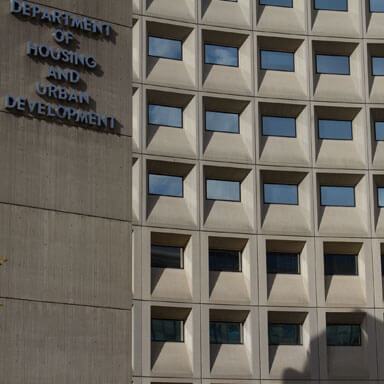
The main reason for the urgency to have the window film quickly installed was Rand had on site the scaffolding equipment required for the window film installers to reach the upper parts of the lobby glass that was 50 feet high. The scaffolding was scheduled to be removed on Aug. 10.
Commercial Window Shield installers started their work the morning of Aug. 7 and worked all weekend and late into the night on Aug. 9 before completing the project on time early on Aug. 10.
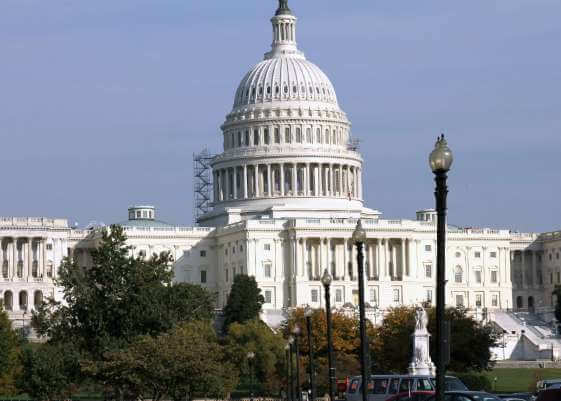
Over the years, Commercial Window Shield has developed a reputation among its many customers for completing difficult projects on tight deadline. Among its most famous projects was the post-9/11 installation of security window film on the U.S. Capitol, and all U.S. House of Representative and Library of Congress buildings in 40 days.
The project is another example of Commercial Window Shield’s close working relationship with some of the country’s best-known construction and property management companies. The company has also completed security, solar control, RF, smart, switchable and privacy window film projects for JBG Smith, Boston Properties, Gilbane Building Co., HITT, Harvey Cleary, D Watts Construction and Davis Construction.
Although Commercial Window Shield also is expert in the installation of other niche films such as smart or switchable window films, Radio Frequency [RF] window films and anti-bird strike window films, the company’s major focus in its nearly 40 years has been security and solar control window film installation. Its clients have included FBI headquarters, the Pentagon, Grand Central Terminal, Merrill Lynch headquarters, the United Nations, the Willis [former Sears] Tower, O’Hare and Seattle international airports, and the Philadelphia and Denver mints.
Source Url:- https://timebusinessnews.com/cws-completes-deadline-privacy-window-film-installation-project-for-rand-construction/
CWS Completes Deadline Privacy Window Film Installation Project for Rand Construction
BALTIMORE – When Commercial Window Shield was contacted by Rand Construction on Aug. 5 about a privacy window film installation project for a client of theirs in Baltimore, the question was asked: “When is the deadline?”
The answer: “Aug. 9.”
As has always been the case in Commercial Window Shield’s nearly 40-year career, the response was: “No problem. We can handle it.”
The project involved installing privacy solar film on the lobby windows of the 19-story Harborplace Tower at 111 South Calvert St. The Washington, D.C.-based Rand was hired by Brookfield Properties for a $12 million renovation of the building, which included the privacy window film installation.

The main reason for the urgency to have the window film quickly installed was Rand had on site the scaffolding equipment required for the window film installers to reach the upper parts of the lobby glass that was 50 feet high. The scaffolding was scheduled to be removed on Aug. 10.
Commercial Window Shield installers started their work the morning of Aug. 7 and worked all weekend and late into the night on Aug. 9 before completing the project on time early on Aug. 10.
Over the years, Commercial Window Shield has developed a reputation among its many customers for completing difficult projects on tight deadline. Among its most famous projects was the post-9/11 installation of security window film on the U.S. Capitol, and all U.S. House of Representative and Library of Congress buildings in 40 days.
The project is another example of Commercial Window Shield’s close working relationship with some of the country’s best-known construction and property management companies. The company has also completed security, solar control, RF, smart, switchable and privacy window film projects for JBG Smith, Boston Properties, Gilbane Building Co., HITT, Harvey Cleary, D Watts Construction and Davis Construction.
Although Commercial Window Shield also is expert in the installation of other niche films such as smart or switchable window films, Radio Frequency [RF] window films and anti-bird strike window films, the company’s major focus in its nearly 40 years has been security and solar control window film installation. Its clients have included FBI headquarters, the Pentagon, Grand Central Terminal, Merrill Lynch headquarters, the United Nations, the Willis [former Sears] Tower, O’Hare and Seattle international airports, and the Philadelphia and Denver mints.
Source Url:- https://erinmagazine.com/cws-completes-deadline-privacy-window-film-installation-project-for-rand-construction/
HITT Retains CWS For Decorative Film Installation Project in D.C.
WASHINGTON — Commercial Window Shield has been hired by HITT for a decorative window film installation project in the nation’s capital.
HITT will be doing a complete, high-end build out of two floors of an office building at 1201 New York Ave. NW. for their client, Biotechnology Innovative Organization [Bio].
Commercial Window Shield will be installing two types of regular privacy/decorative film as well as a custom gradient decorative film on all interior office and conference room fronts. In total, the company will be installing more than 5,000 sq. ft. of decorative film on the glass.
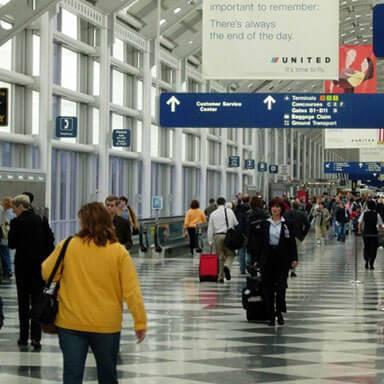
The budgeting process for this project began 18 months ago. Bids for the decorative film portion of the project were competitive. Commercial Window Shield was the successful bidder.
HITT will begin construction in September. Installation of the privacy/decorative films will start sometime this winter. As always, Commercial Window Film will work closely with other sub-contractors to coordinate their schedules.
The company has a long-standing relationship with HITT, having completed numerous window film installation projects over many years.
In addition to HITT, Commercial Window Shield has a long history working with other top general contractors, including Davis Construction, Rand construction, D Watts, Harvey-Cleary and Gilbane Building Co.
The company’s major focus has been security and solar control window film installation. But in addition to privacy/decorative films the company also is expert in installing smart/switchable, Radio Frequency [RF], anti-bird strike and polycarbonate protective glass systems.
Its clients have included the U.S. Capitol, FBI headquarters, the Pentagon, all House of Representative and Library of Congress buildings, Grand Central Terminal, Merrill Lynch headquarters, the United Nations, the Willis [former Sears] Tower, O’Hare and Seattle international airports, and the Philadelphia and Denver mints.
If you are interested in installing smart film in your office – or any other type of window film, contact Commercial window shield at info@commercialwindowshield.com
Source Url :- http://prblogs.org/2021/08/hitt-retains-cws-for-decorative-film-installation-project-in-d-c/
 Commercial Window Shield